
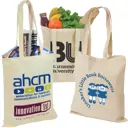
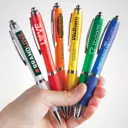
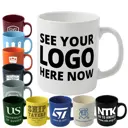
The branding method applied to a promotional product affects how it looks, how long it lasts and what it costs. Most buyers choose a product first and assume the branding will follow. The better approach is to understand what each method produces and match it to the product and the use case.
This guide explains the main branding methods in plain language, what each one is suited to and what you need to provide as artwork.
Screen printing
Screen printing uses a mesh screen and ink to transfer a design onto a flat surface. It is one of the most widely used methods in promotional merchandise because it produces sharp, vibrant results at a low cost per unit.
Best for: Tote bags, t-shirts, mugs, flat plastic and rubber items Minimum colours: Usually priced per colour. Each colour requires a separate screen. Artwork required: Vector file (AI, EPS or PDF). Spot colours only, no gradients. When to use it: High-volume orders where cost per unit matters, or where a bold single-colour or two-colour logo is the goal
Digital printing
Digital printing works like a high-quality inkjet printer applied directly to the product. It handles full-colour designs, photographs and gradients without the per-colour cost of screen printing. Best for: Mugs, bottles, notebooks, lanyards, some apparel Minimum colours: No restriction. Full colour at no additional cost. Artwork required: Vector or high-resolution raster file. Minimum 300dpi at print size. When to use it: Complex logos with multiple colours or gradients, lower-volume orders, or when exact colour matching is important
Pad printing
Pad printing uses a silicone pad to transfer ink from an etched plate onto a surface. It works well on curved, irregular or three-dimensional surfaces where screen printing cannot reach. Best for: Pens, keyrings, golf balls, small plastic items, curved surfaces Minimum colours: Usually priced per colour, similar to screen printing Artwork required: Vector file. Simple designs work best; fine detail can be lost on small surfaces. When to use it: Pens and small items where the print area is limited and a clean, precise logo is the goal
Embroidery
Embroidery stitches the design directly into fabric using thread. It produces a textured, premium finish that is highly durable and does not fade or peel. Best for: Caps, polo shirts, fleeces, jackets, bags Minimum colours: Thread colours are selected individually. Complex designs increase stitch count and cost. Artwork required: Vector file for conversion to a stitch file. Very fine detail and thin lines do not translate well to embroidery. When to use it: Apparel and bags where a premium, long-lasting finish is required. Particularly effective for corporate workwear and premium branded clothing.
Laser engraving
Laser engraving removes material from the surface to reveal the underlying layer. On metal, it produces a precise, permanent mark. On wood or leather, it creates a subtle tonal contrast. Best for: Metal pens, stainless steel bottles, USB drives, wooden items, leather goods Minimum colours: Single colour only (the engraved surface). No ink involved. Artwork required: Vector file. Clean, simple logos work best. Engraving cannot reproduce gradients or photographic detail. When to use it: Premium items where a subtle, permanent mark is preferred over a printed logo. Parker pens, Stanley bottles and Herschel bags with engraved plaques are common examples.
Debossing and embossing
Debossing presses a design into a surface to create an indented impression. Embossing raises the design above the surface. Both produce a tactile, premium finish.
Best for: Notebooks, leather goods, packaging, padfolios Minimum colours: Single tone only. No ink. Artwork required: Vector file. Simple, bold designs work best. When to use it: Premium notebooks, leather accessories and gift packaging where a tactile, understated finish suits the brand positioning Quick reference guide
Frequently asked questions
Can I use more than one branding method on the same product?
Sometimes, yes. A notebook might have a debossed cover and a digitally printed page edge. A bag might have an embroidered logo on the front and a screen-printed label inside. Ask us at the briefing stage and we'll confirm what is possible for the specific product.
Which branding method lasts the longest?
Laser engraving and embroidery are the most durable because they alter the material itself rather than applying ink on top. Screen printing and digital printing on hard goods (mugs, bottles) are also very durable when a proper curing process is used.
Do I need different artwork for different branding methods?
The base requirement is the same: a vector file (AI, EPS or PDF) for most methods. Digital printing can also work from high-resolution raster files. The key difference is complexity: embroidery and engraving work best with clean, simple logos. Digital printing handles complex artwork well.
What happens if my logo has Pantone colours?
Provide the Pantone references in your brief. For screen printing, we will match the ink to your Pantone codes. For digital printing, we will use your references as a guide, but digital output is RGB-based and exact Pantone matching is not always achievable. We will show you the result in the proof before production starts.